The U.S. House on June 29 passed the Kids Internet and Digital Safety Act, or KIDS Act, sending a broad youth online-safety package to the Senate after a 267-117 vote. The measure, H.R. 7757, was considered under suspension of the rules, a fast-track House process that required a two-thirds vote of members present and voting.
The vote was bipartisan but divided. The official House Clerk tally recorded 162 Republicans, 104 Democrats and one independent voting yes, with 32 Republicans and 85 Democrats voting no. Forty-seven members did not vote.
For Melissa, the site's congressional-district lookup places the city in TX-3, represented by Rep. Keith Self (R). On Roll Call 228, Self voted no.
The bill is not law yet. It now moves to the Senate, where lawmakers may keep, amend or reject the House version. If the Senate changes the bill, the House would have to act again before any final version could go to the president.
What the bill would do
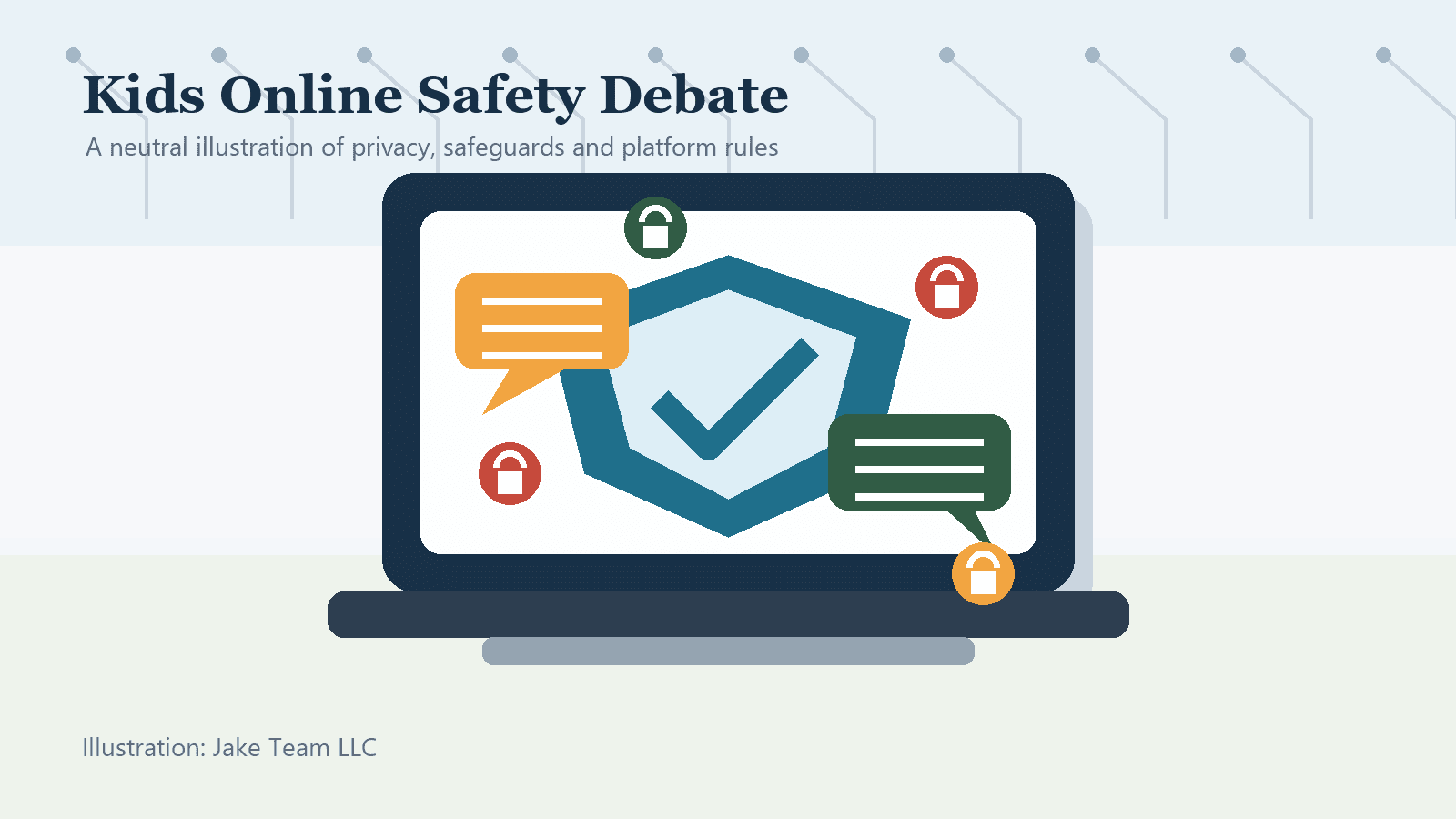
The KIDS Act combines several online-safety, privacy, artificial intelligence and parental-control proposals into one package. The bill text includes provisions on adult-content age verification, social-media safeguards, online-gaming controls, AI chatbot disclosures, online-safety education, children's privacy and data-broker registration.
One section would require covered adult-content platforms to use commercially available age-verification technology and says a user simply claiming to be an adult would not be enough. Another section would require covered online platforms to maintain policies addressing specified harms to minors, including severe threats of physical violence, sexual exploitation and abuse, illegal or age-restricted products, and deceptive financial harm.
For minors known to a covered platform, the bill would require easier-to-use safeguards. Those include controls over direct or temporary messages, limits on profile recommendations to adults, restrictions on visible online status, limits on compulsive-use design features, geolocation controls and options to control personalized recommendation systems. The bill also calls for protective default settings and parental tools.
The gaming section would require communication safeguards for young users of interactive online video games.
The AI chatbot section would prohibit a chatbot from falsely claiming to be a licensed professional, require a disclosure that the chatbot is an AI system rather than a natural person, require suicide-crisis resource disclosures when relevant, and require policies that prompt a break after three continuous hours of chatbot interaction.
The privacy section would amend the Children's Online Privacy Protection Act framework by extending protections to teens in several places, including new rights tied to collection, use, disclosure and deletion of personal information. A data-broker section would require covered data brokers to register with the Federal Trade Commission and report categories of personal data sold.
Supporters' case
Supporters frame the package as a long-sought federal baseline for online spaces used by children and teenagers. House Speaker Mike Johnson said after passage that the bill was intended to protect children online, hold large technology companies accountable and give parents more tools.
House Energy and Commerce Chairman Brett Guthrie and ranking Democrat Frank Pallone said the bill creates new rules for design features, default settings and kids' privacy.
Supporters also point to practical controls parents often say are difficult to find or inconsistent across apps: message settings, privacy defaults, geolocation limits, advertising disclosures and clearer AI chatbot warnings. Rep. Kathy Castor, a Florida Democrat quoted by the International Association of Privacy Professionals, called the bill a meaningful step while saying Congress still had more work to do.
Public Knowledge, a technology policy organization that has criticized parts of earlier online-safety proposals, said the House compromise gets kids' online safety mostly right.
The group still objected to definitive age-verification mandates, especially for blocking minors from certain content, but said it chose not to actively oppose the bill because of safe-by-design defaults and the current legal landscape after the Supreme Court's 2025 ruling in Free Speech Coalition v. Paxton.
Critics' case
Critics object from several directions. Civil-liberties groups argue the bill could push platforms toward broad age verification, increased data collection and removal of lawful speech. The Electronic Frontier Foundation said the package would pressure services to determine users' ages across the internet and could lead companies to collect sensitive identity or biometric information to avoid liability.
The ACLU said the bill could incentivize platforms to remove content considered inappropriate for minors and could put user privacy at risk.